
Before You Launch a Card Program, Read This

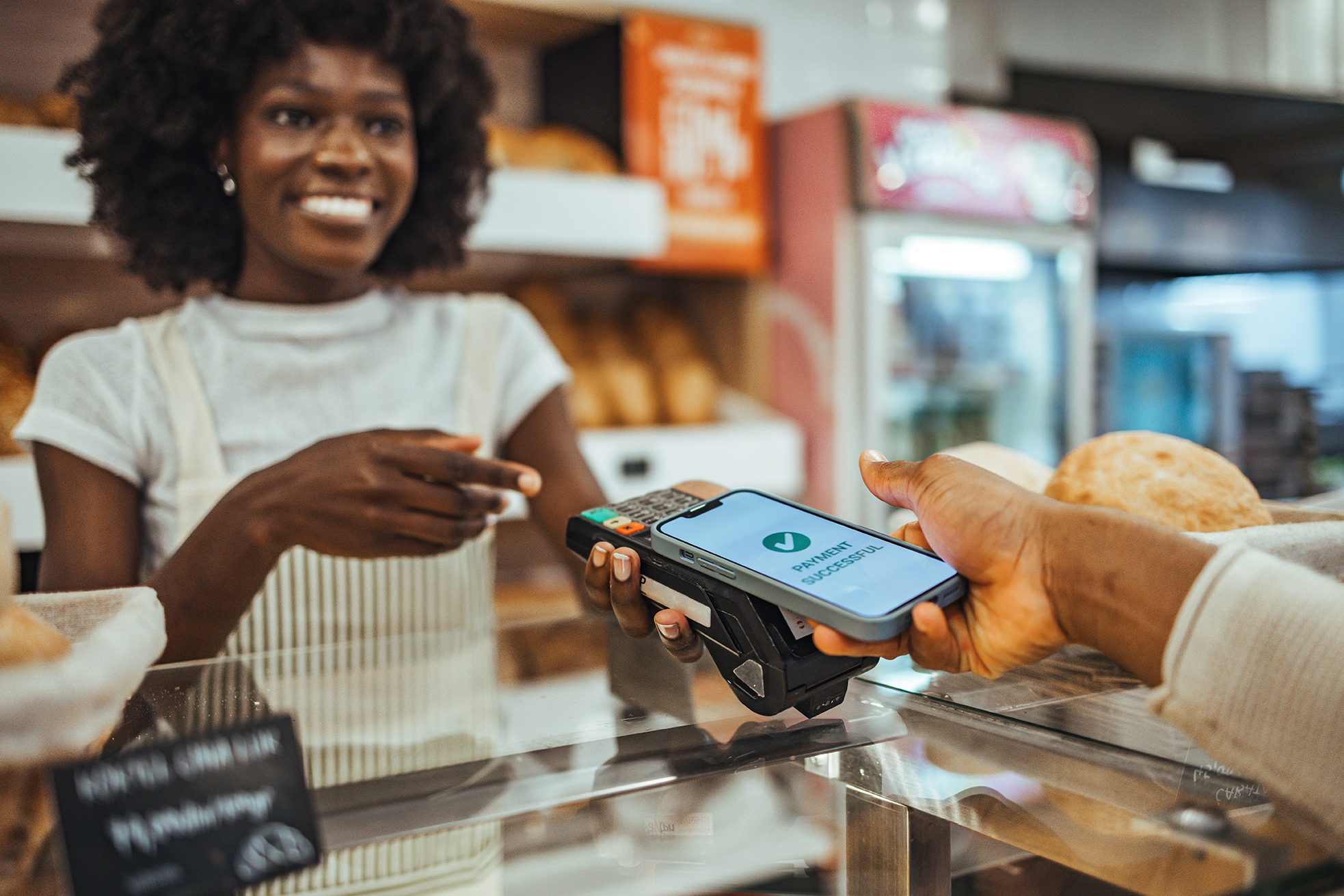
The choice to launch a card program is not one that should be taken lightly. It is a strategic decision for the betterment of your company. After 125 years of combined experience in the card space, NXTMOVES has seen hundreds of card programs and knows what it takes to ensure you are on the right track when building one.
Here are the four top considerations you need to address within your company to set yourself
up for success before your card program build is even underway.
1. What Is Your Goal?
Like any well-laid plan, your mission to develop a card program should have a clear goal. Before
anything else, you need a specific answer to the question: what do I want to achieve with this
program?
There are many reasons to launch a program, whether that's deepening loyalty with an existing
customer base, creating a new revenue stream tied to how your audience already spends,
differentiating in a crowded market, or giving a community access to financial products they
don't currently have. The best card programs are built with a defined purpose, choosing one or
two of these initiatives to pull focus on.
Vague goals produce programs that drift. Programs built around a specific strategic purpose —
and a clear understanding of the customer they serve — are the ones that grow.
2. Who Is Your Cardholder?
This question determines almost everything else, and most companies answer it too broadly.
Your cardholder isn't "everyone who buys from us." It's a specific person, with specific spending
patterns and specific expectations for what a card should do for them. Your cardholder persona
should be as detailed — if not more so — than your average customer persona. Getting precise
about that person before you build shapes the rewards structure, the BIN configuration, the
program economics, and your ability to compete for top-of-wallet status.
Additionally, it helps create realistic expectations for your program size by honing in on your
Serviceable Addressable Market (SAM). Many who are new to the game base their dreams on
the Total Addressable Market (TAM). TAM gets really dissected once you apply filters on who is
actually severable within that classification. By tracking your SAM, you can set realistic,
achievable goals to help you understand the program's predicted economics.
Getting a card issued to someone in your SAM is not the same as getting that card out of the
drawer and into regular use. For your program to perform, it needs to earn near-top-of-wallet status, meaning it consistently offers more value to your cardholders than the card they're
already reaching for.
Beyond demographics, you need to understand what your audience values and what you
should include in your program to give it the appeal that drives consistent use.
Here is the good news: you should already have a basic understanding of what your cardholder
looks like based on your existing customer base. Now you just have to hone in on what they
value and, if applicable, a specific subset you want to target.
The best starting point is to build out two to three customer personas so you can accurately
evaluate their motivations, buying behaviors, and where best to strategically place content to
reach them.
3. Can Your Program Economics Support Your Rewards?
Now that you know what motivates your customer, you have to evaluate whether you can
deliver it and what alternatives exist. This is where many programs hit a wall.
Interchange earned from card transactions funds rewards. After the issuing bank, the card
network, and operational costs take their share, the remaining margin is available to fund
cardholder rewards. Having a realistic picture of your interchange takeaway allows you to set
realistic goals. Dreams of 5% cash back as a competitive advantage are, in most cases, exactly
that — dreams.
That doesn't mean rewards programs can't work. It means they have to be designed honestly
around what the economics actually support.
This is also where your goals come back into the picture. Programs designed as a loyalty
booster can often offer larger rewards because those rewards act as a loss leader in exchange
for higher spend volumes, consumer loyalty, and consumer data.
Case Example: The Prime Visa and Amazon Visa offer up to 5% back on purchases at Amazon,
Wholefoods, and Chase Travel to Amazon Prime members with the card. This cashback offer is a
loss leader for the company whose real goal is to gain and retain Prime members and encourage
them to spend more with the company. Their goal was not to make money from the card interchange
or fees, but to turn profit from the memberships and increased purchase volume.
However, there are ways to build a rewards program that also brings you revenue. NXTMOVES
utilizes multiple revenue levers within each program to create cards that reach top of wallet and
remain profitable for your business.
The math can work in your favor; it just has to be structured correctly. Two of the most effective
tools are annual fees and proprietary rewards.
• Annual fees - If your cardholder persona will pay one, annual fees provide predictable
revenue that isn't dependent on interchange volume. They can fund operational costs,
protect interchange margins, and make the overall program economics sustainable. The
key here is that your card needs to offer value that justifies the annual cost to the
consumer.
• Proprietary rewards - If you can offer rewards through discounted inventory, exclusive
access, or low-cost experiential benefits that competitors can't replicate, you can create
perceived value that far exceeds what interchange alone could fund at a much lower
cost.
4. Are You Ready for What's Coming After Launch?
Launching a card program is not the finish line. It's the starting point.
After go-live, a card program requires ongoing compliance management, daily operational
oversight, vendor coordination, fraud monitoring, dispute resolution, performance reporting, and
continuous product evolution.
This is where the vendor question becomes critical. Card programs typically require an
assortment of vendors to function — and companies new to the space often underestimate what
it takes to manage those relationships.
If managing the ongoing complexity of a card program isn't in your company's core competency
— and for most businesses, it isn't — that doesn't mean you can't build a great program. It
means you need the right partner from the start. One who doesn't hand you a product and
disappear, but stays in as the operational foundation of your program for the long term.
While most program managers are built to handle launch, NXTMOVES’ specialty is ongoing
support from the idea through the program's entire lifecycle. We are designed so that our clients
can continue to focus on running a successful company, while we use our expertise to keep
your card program performing well.
Get Started Today
A card program is one of the most powerful strategic tools a business can deploy. It can deepen
customer relationships, generate durable revenue, and create meaningful differentiation in your
market. But it has to be built on honest answers to hard questions: What is your goal? Who is
your cardholder? What can your economics actually support? Who manages the program after
launch?
The companies that do the thinking before they start building are best positioned for success.
Daunting as these questions may seem, they are not ones you have to face alone. The right
partner with expert knowledge of the payments landscape is perfectly positioned to help you
build a foundation made of stone.
If you're working through these questions and want a partner who has seen what works — and
what doesn't — we'd like to be part of that conversation.
Related posts
Explore the latest trends and insights at NXTMOVES.
Before You Launch a Card Program, Read This

The Most Important Role in Payments No One Talks About

How Program Management Took Over Payments